Author name: Ehsan Tavakoli-Nabavi

Dr Joyce Yeoh

[Joyce Yeoh ] Joyce enjoys learning about the different perspectives of issues our society faces today. Coming from a STEM background, she appreciates that technology has a lot to offer, but also recognises that technology comes with its own challenges and may not always be the solution. She is interested in the broad subject of […]


Dr Joyce Yeoh Read More »

Responsible Innovating in and for the Global South

Responsible Innovating in and for the Global South if we cannot ethically innovate for or with populations in the Global South, how can we best develop solutions to these problems in a responsible and relevant way? António Guterres UN Secretary-General Background Increasingly, UN agencies and other NGOs are leveraging emerging technologies – like AI and

Responsible Innovating in and for the Global South Read More »

Enabling indigenous innovations to solve the Australian bushfire crisis

Enabling Indigenous Innovations to Solve the Australian Bushfire Crisis For thousands of years, the Aboriginal people of Australia systematically managed land and fire. Our question is how can we combine traditional practices with modern technological tools to make Australian land resilient. (Joseph Lycett – National Library of Australia) We should adapt to the Aboriginal way of managing

Enabling indigenous innovations to solve the Australian bushfire crisis Read More »

Making it easy and meaningful for people to volunteer for nature

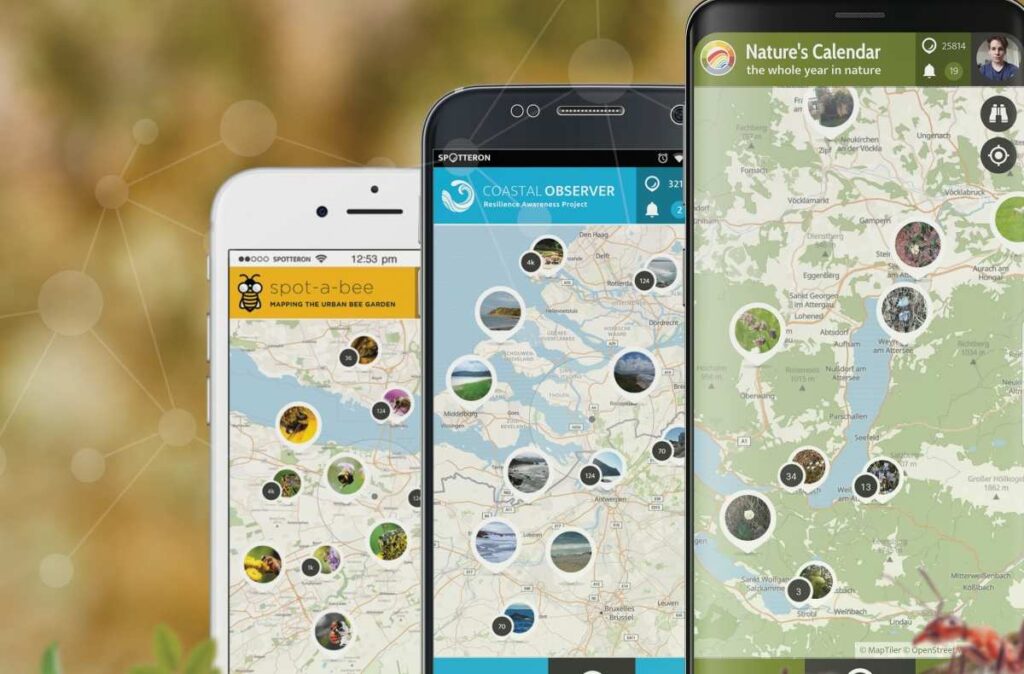
Making It Easy and Meaningful for People to Volunteer for Nature In this project we explore opportunities and concerns of designing a nation-wide and/or statewide environmental volunteer platforms ” Traditional data sources are not sufficient for measuring the SDGs. New and non-traditional sources of data are required. ” Steffen Fritz and colleagues Background Volunteers are

Making it easy and meaningful for people to volunteer for nature Read More »

Enabling Traditional Owners to play a lead role in water policymaking

Enabling Traditional Owners to play a lead role in water policymaking In this project we explore how new technologies can enable Traditional Owners to take a lead in the discussion around the future of water policymaking in Fitzroy River basin. ” Management of Martuwarra (Fitzroy River) catchment is at a crossroads, with diverse and conflicting

Enabling Traditional Owners to play a lead role in water policymaking Read More »

Reinforcing responsibility into language models: The case of GPT-3

Reinforcing Responsibility into Language Models: The Case of GPT-3 If the use of the state-of-the-art language models such as GPT-3 expanded,would that discriminate based on race, gender, religion, or nationality? It is timely to ask, how we can address social and ethical concerns related to the development of language models. Making code open source does

Reinforcing responsibility into language models: The case of GPT-3 Read More »

Responsible design and development of Exoskeletons

Responsible Design and Development of Exoskeletons In this project we explore technical and social challenges of exoskeletons with a focus on the people involved in the system. ” Responsibility and accountability for wearable robot actions do not just arise regarding individual users, but also on a societal level. ” Alexandra Kapeller and colleagues Background Exoskeleton

Responsible design and development of Exoskeletons Read More »

Reinforcing Responsibility in the Contact-Tracing Apps

Reinforcing Responsibility in the Contract-Tracing Apps recommendations that will reinforce responsibility in large-scale use of tracing apps ” Police access to COVID check-in data is an affront to our privacy. We need stronger and more consistent rules in place. ” Katharine Kemp and Graham Greenleaf Background The contact tracing apps are innovative tools that help

Reinforcing Responsibility in the Contact-Tracing Apps Read More »