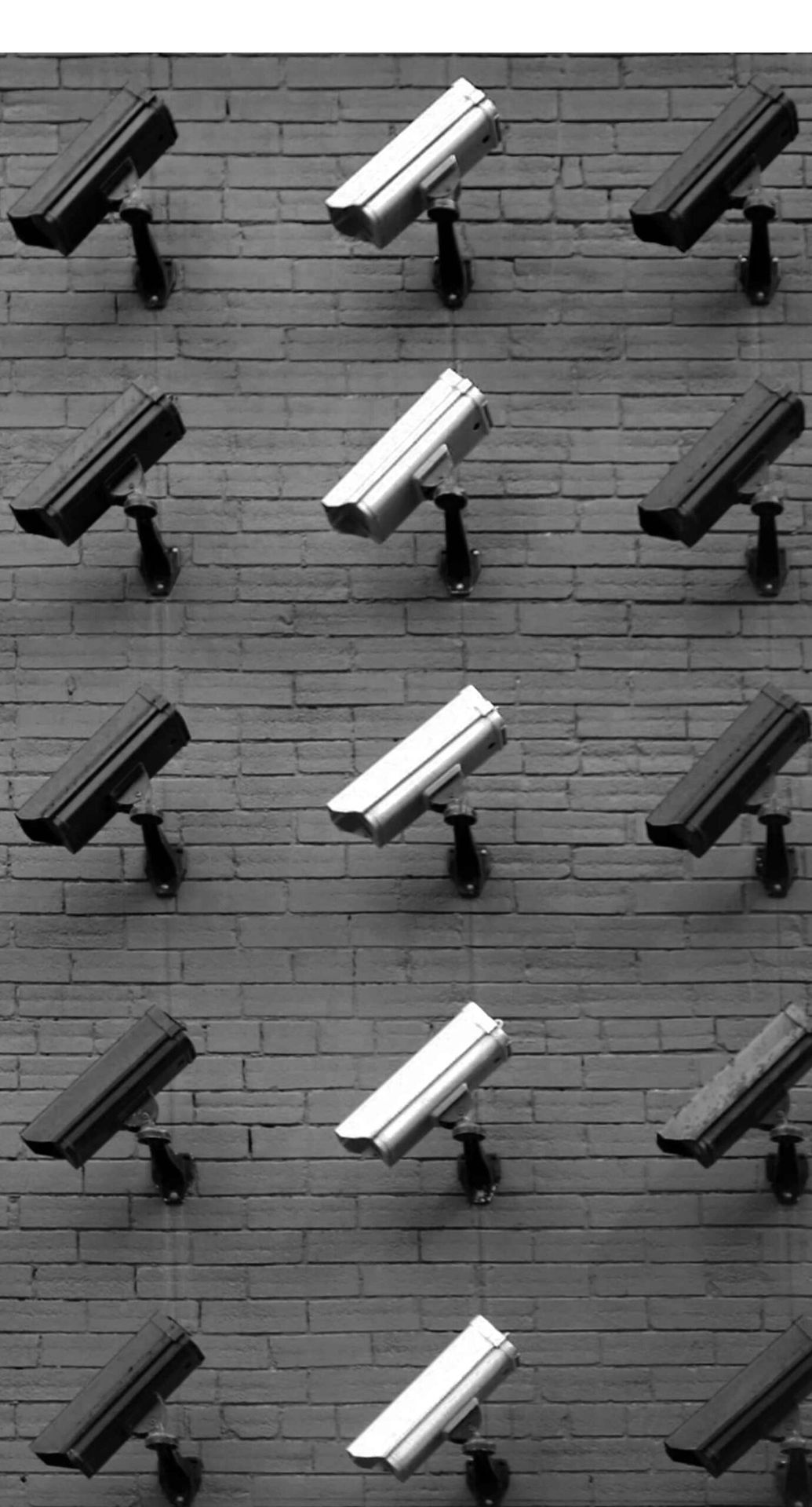
A group of technologists advocating for ‘pandemic drone’ to help limit the spread of coronavirus and ease restrictions. In this project we explore the social and ethical cost of such programs.
" ... now is the best time for policymakers to set limits on how drones an be used in public space. "
As the world scrambles to combat the global pandemic of the novel coronavirus (COVID-19), we’re witnessing a real-time demonstration of emerging technology capabilities — computational tools, biological engineering, and AI-enabled tracking systems. In particular, AI technologies are enabling contact tracing applications that may help mitigate the spread of the coronavirus. And amidst widespread testing shortages, hospitals have started to use AI technologies to help diagnose COVID-19 patients, many more applications. One of them is to use drones to monitor the health of people, including spotting sneezes and tracking whether they have a fever.
Our story
Challenge
The expansion of AI-enabled systems in pandemic response, management and prevention could at the same time lead to profound threats to privacy and civil liberties, among other concerns. Even when AI-enabled systems are relatively accurate, their implementation in complex social contexts can cause unintentional and unexpected problems. In the case of ‘pandemic drone’, many experts warn about the ethical and social concerns of using surveillance technologies like this.
In this project we look into the existing challenges associated with developing and implementing surveillance tech, such as the pandemic drone.
STUDENT PROJECTS •A cutaneous mechanoneuralinterface for neuroprostheticfeedback S. Srinivasan, S., M. Herr, H. A cutaneous mechanoneuralinterface for neuroprostheticfeedback. Nat Biomed Eng(2021).